AI-nativeAI Adoption MaturityGovernance
Where does your organization really stand on AI?
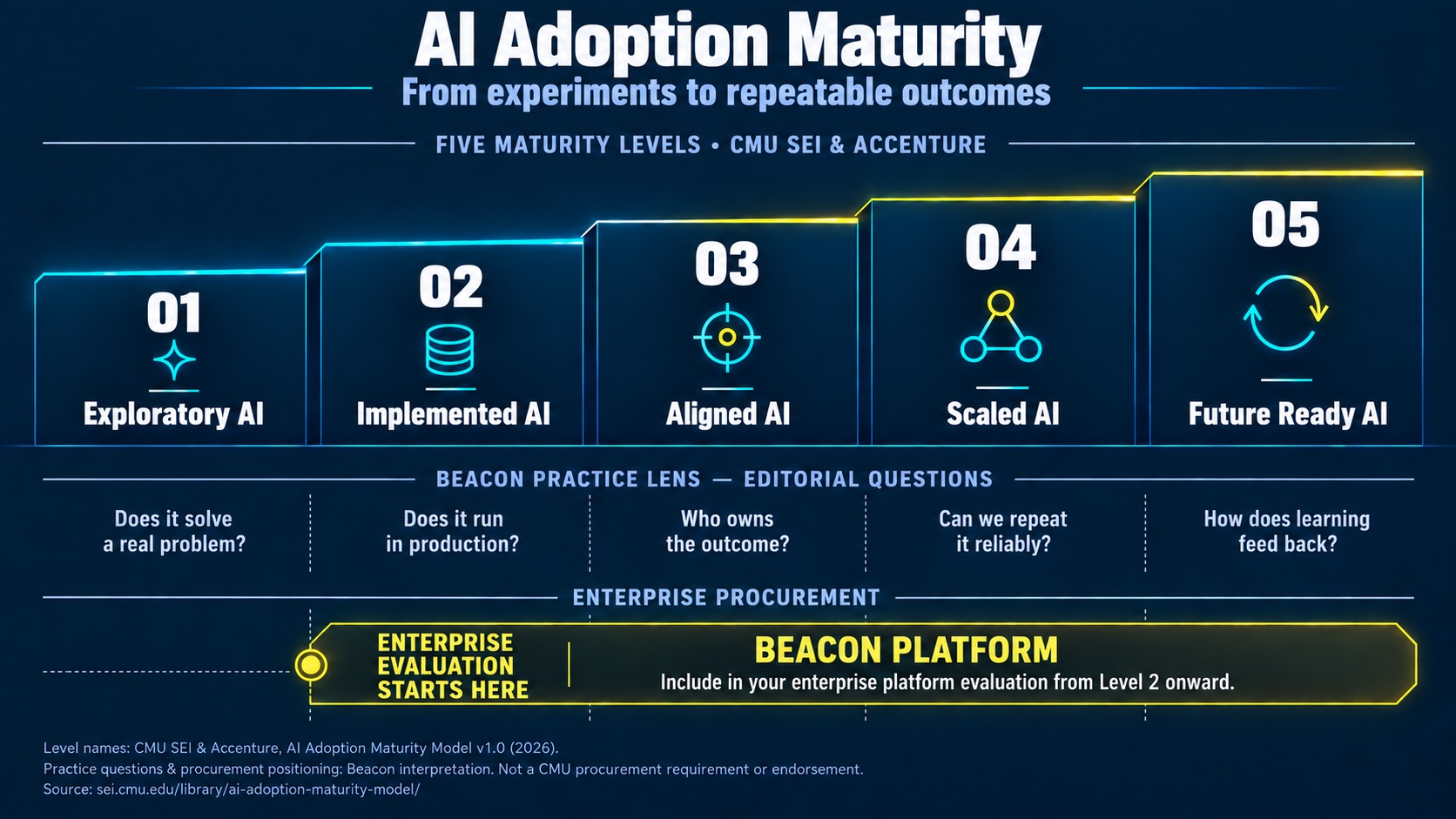
Eight questions, two minutes, one honest answer: where does your organization stand on AI? The AI Maturity Assessment shows it, live, no marketing filter.
Thoughts on AI-native Software Engineering, productivity, and building great products.
Eight questions, two minutes, one honest answer: where does your organization stand on AI? The AI Maturity Assessment shows it, live, no marketing filter.
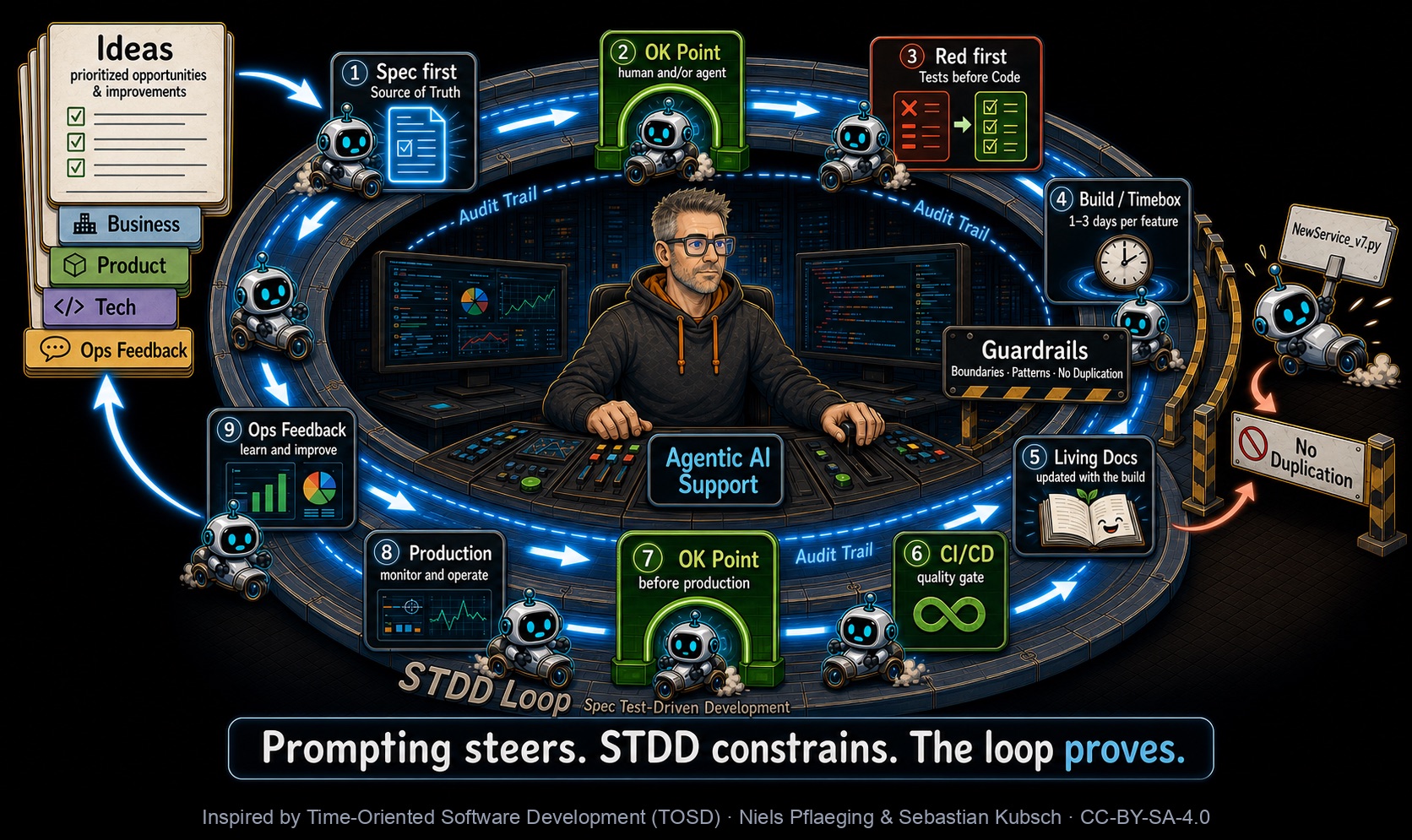
I don't trust any AI agent. Yet one just built an entire feature set, almost without my hands on the keyboard, because every step leaves an audit trail.
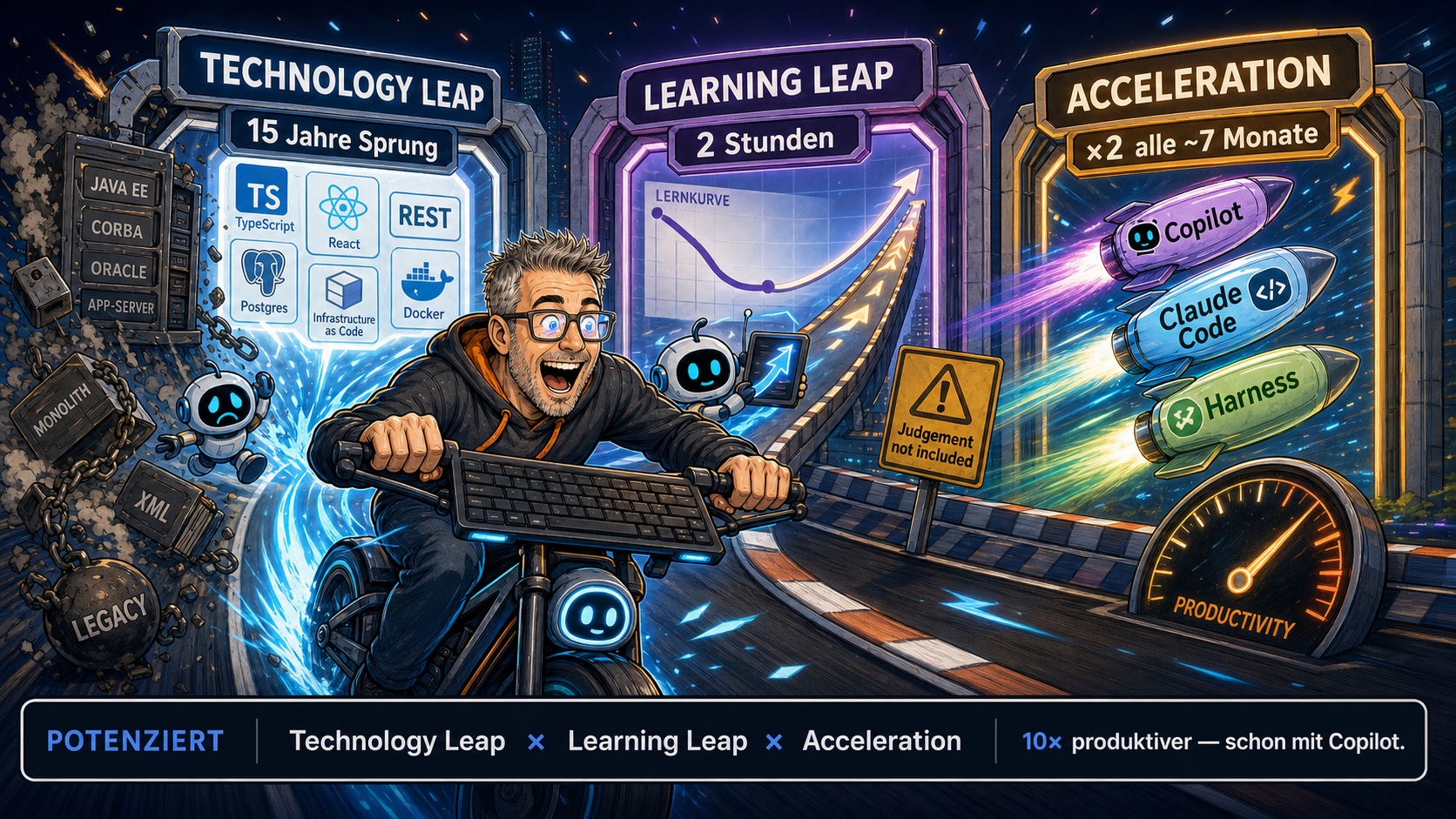
For fifteen years I didn't build software myself. Being 20X more productive isn't magic, it's a multiplication of Technology Leap, Learning Leap, Acceleration.
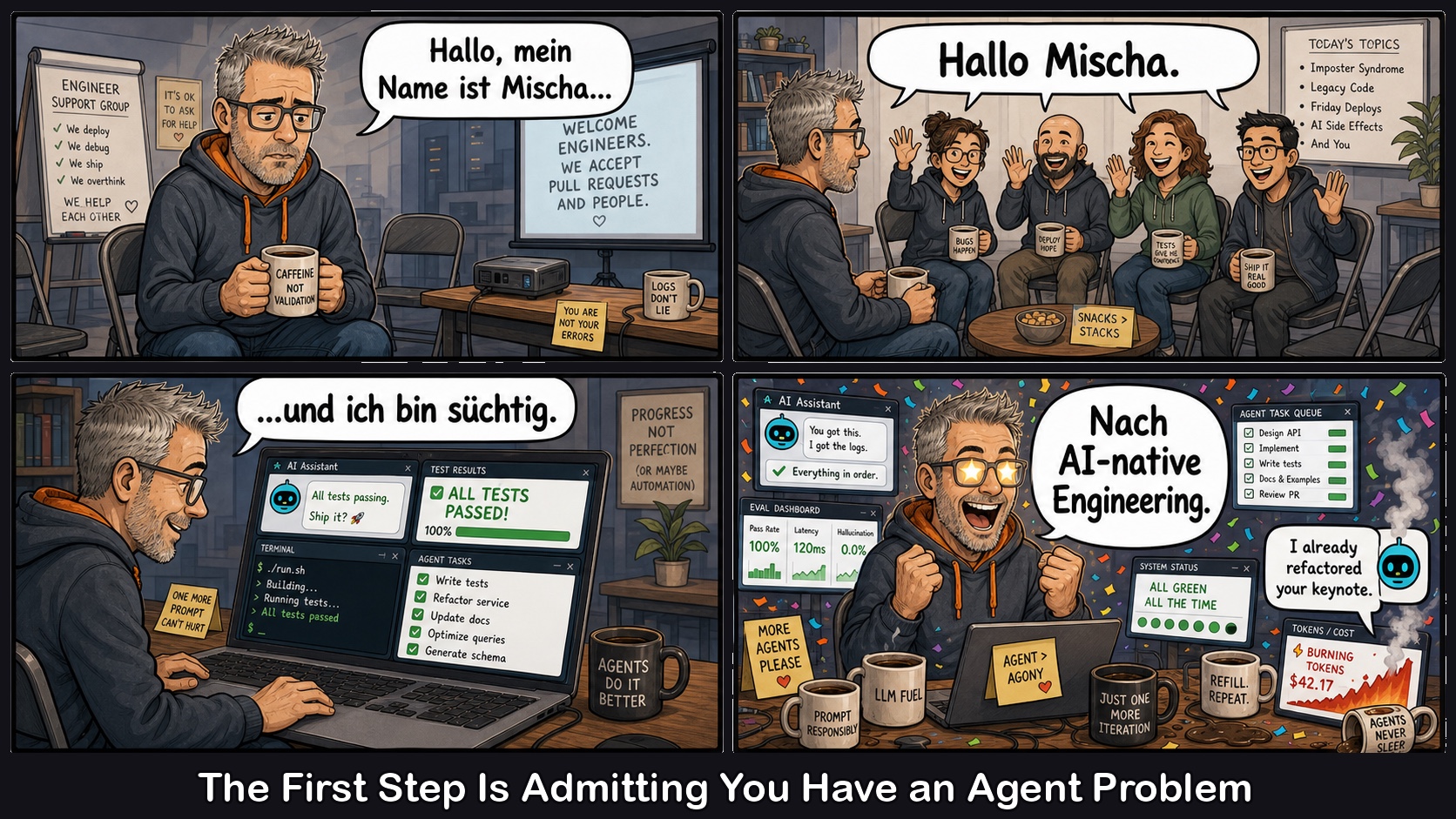
Hi, my name is Mischa. And I'm addicted to AI-native software engineering. How to live with that addiction, and where it gets dangerous.
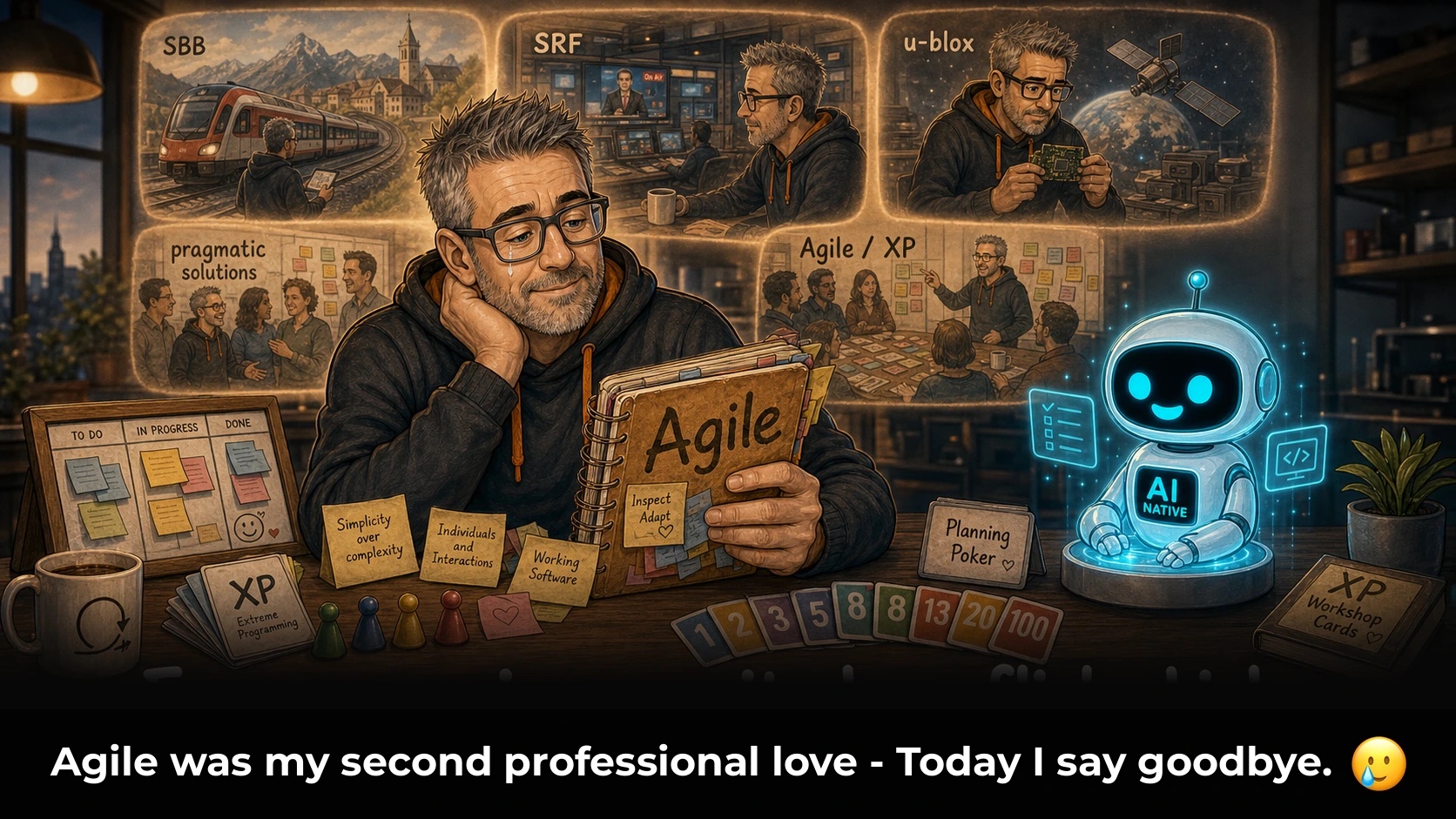
Agile was my second professional love. Today I say goodbye. For over ten years I lived and taught Agile, but it no longer fits AI-native work.
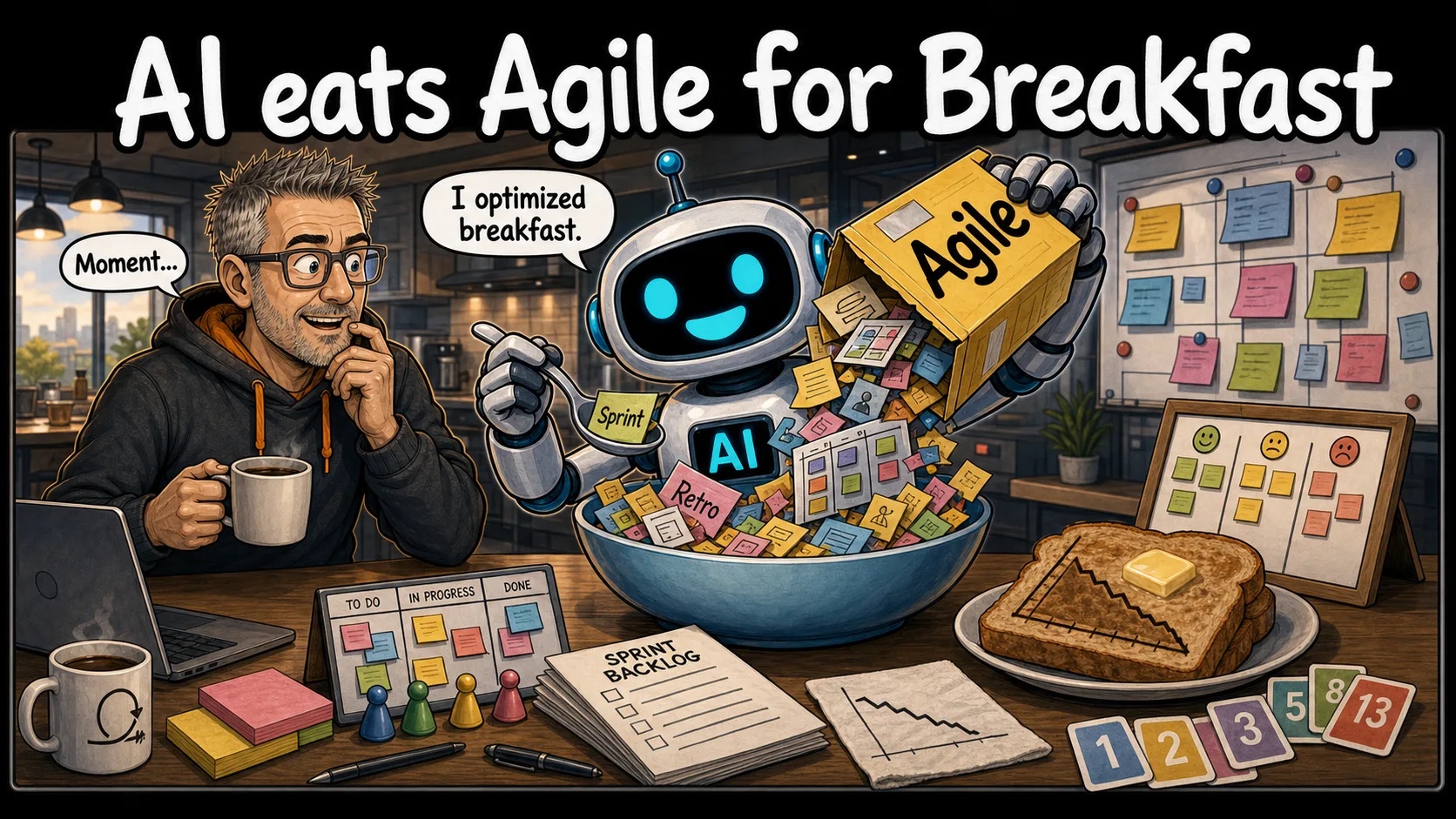
A decade after stepping back from the Agile community, I wanted to speak up with a bold thesis: AI eats Agile for Breakfast. Its cancellation proved the thesis.

Whether the shift to AI-native software engineering succeeds depends on what developers and leadership conclude for roles, structures, and processes.
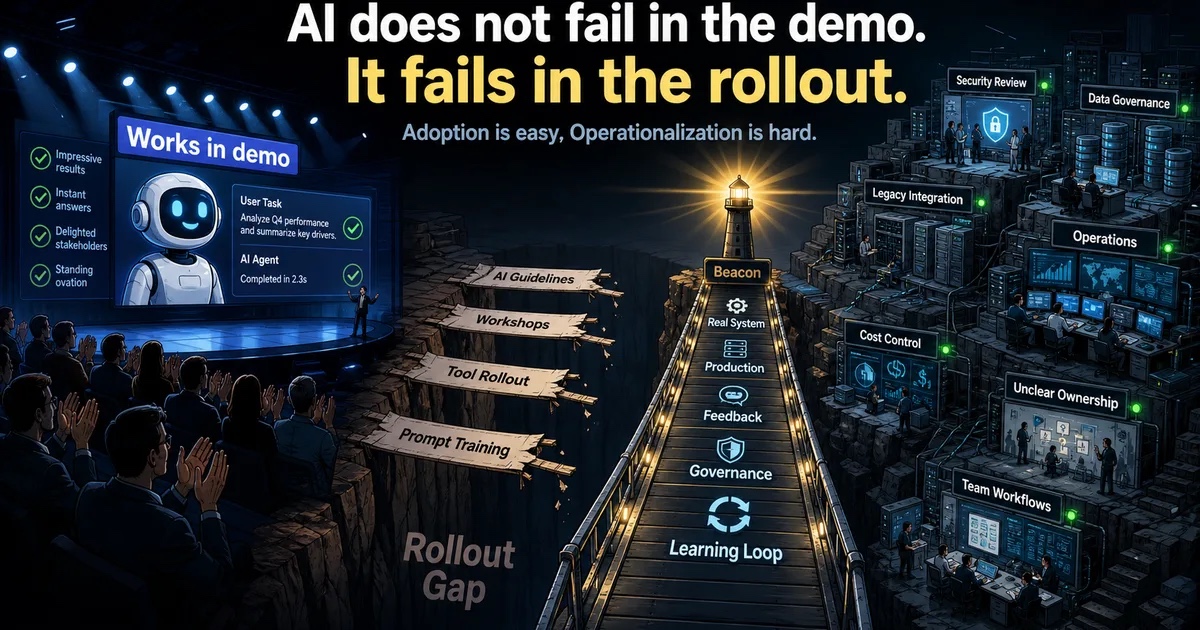
The problem is the entry point: instead of building, organizations explain. AI introductions start on paper. AI only works where software is built.
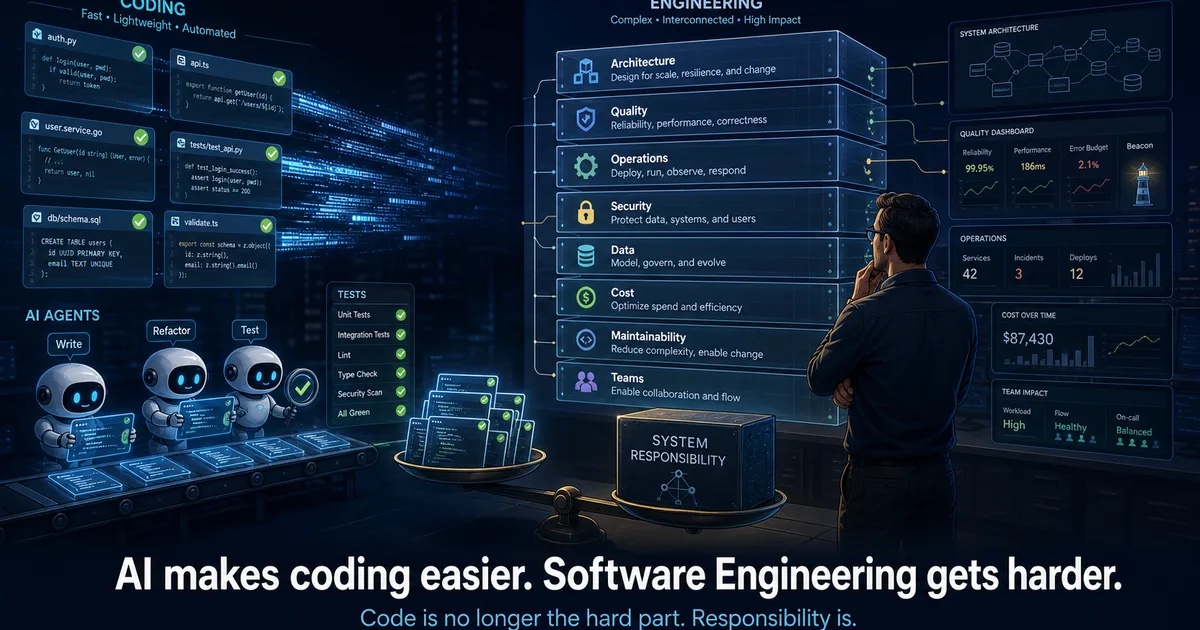
AI lowers the barrier to writing code, yet software engineering gets harder: leadership becomes the real work. Being able to code well is no longer enough.
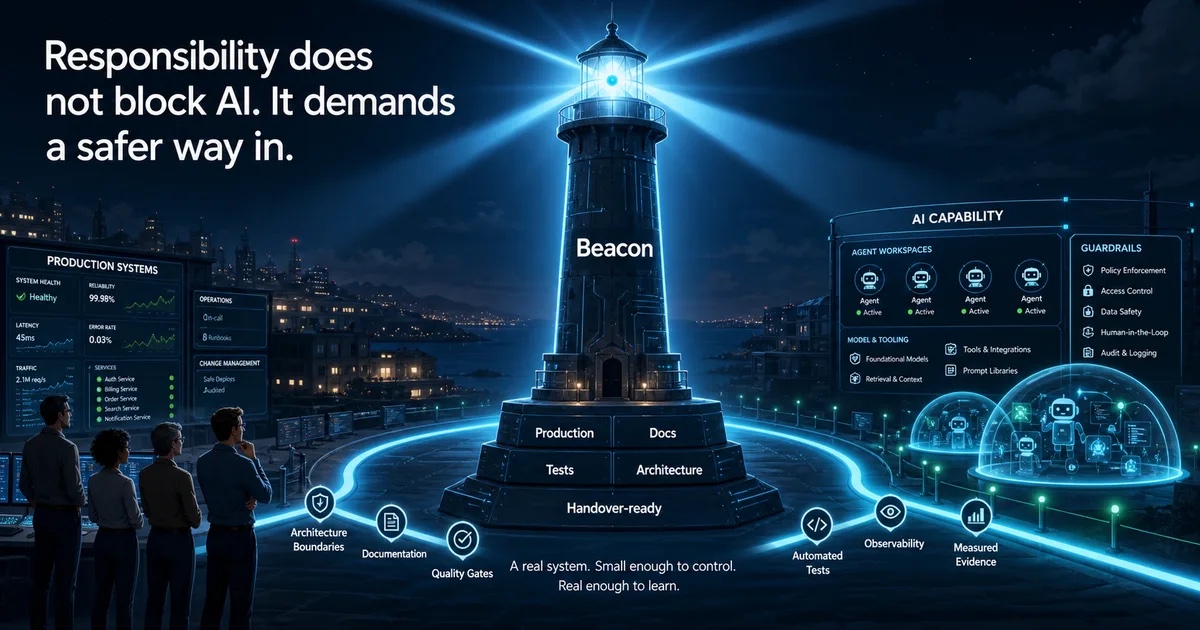
AI has arrived in software engineering. Yet little is happening in many organizations. Many leaders hesitate, not from skepticism, but responsibility.
Eight questions, two minutes, one honest answer: where does your organization stand on AI? The AI Maturity Assessment shows it, live, no marketing filter.
I don't trust any AI agent. Yet one just built an entire feature set, almost without my hands on the keyboard, because every step leaves an audit trail.
For fifteen years I didn't build software myself. Being 20X more productive isn't magic, it's a multiplication of Technology Leap, Learning Leap, Acceleration.
Hi, my name is Mischa. And I'm addicted to AI-native software engineering. How to live with that addiction, and where it gets dangerous.
Agile was my second professional love. Today I say goodbye. For over ten years I lived and taught Agile, but it no longer fits AI-native work.
A decade after stepping back from the Agile community, I wanted to speak up with a bold thesis: AI eats Agile for Breakfast. Its cancellation proved the thesis.
Whether the shift to AI-native software engineering succeeds depends on what developers and leadership conclude for roles, structures, and processes.
The problem is the entry point: instead of building, organizations explain. AI introductions start on paper. AI only works where software is built.
AI lowers the barrier to writing code, yet software engineering gets harder: leadership becomes the real work. Being able to code well is no longer enough.
AI has arrived in software engineering. Yet little is happening in many organizations. Many leaders hesitate, not from skepticism, but responsibility.